Make It Pumpkin Font
It was a Tuesday morning, and the team was finalizing a seasonal sale graphic for a small online shop. The deadline was tight, and the client wanted something eye-catching but not too over the top. That’s when I pulled up Make It Pumpkin. The font had been on my radar for a while, but this was the first time I’d get to test it in a real campaign workflow.
A Whimsical Touch for Seasonal Campaigns
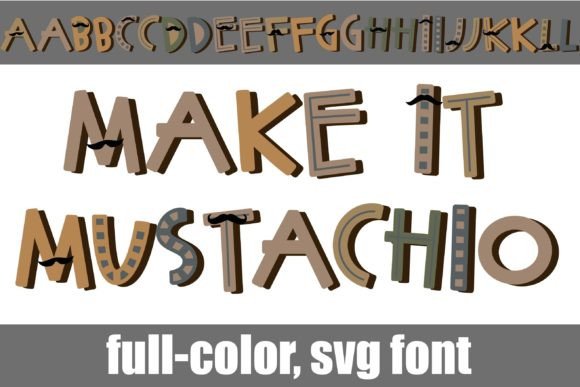
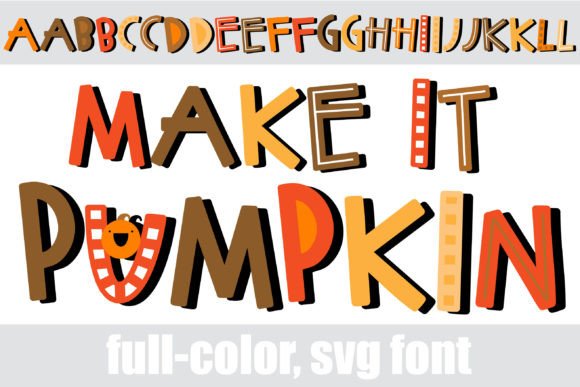
Make It Pumpkin is a full-color font that brings a fun Thanksgiving palette to life through its whimsical sans serif lettering. It’s not your typical typeface—this one has personality. The colors are vibrant but not overwhelming, and the overall style feels playful yet professional enough for a variety of brand applications. It’s ideal for campaigns that want to evoke warmth, nostalgia, and a sense of celebration without being too literal.
The alt case adds an extra layer of flexibility. Depending on the design system or software you’re using—like Silhouette or Adobe Illustrator—you can access additional color variations through the glyph map. This makes it easier to match the font with existing brand colors or create custom palettes for different campaign assets.
Testing Make It Pumpkin in Social Media Graphics
For the online shop’s sale announcement, we used Make It Pumpkin as the headline text. The font stood out against a dark background, drawing the eye immediately. It worked well on Instagram posts, YouTube thumbnails, and Pinterest pins where visual impact is key. The bold, colorful letters made the message clear and engaging, even at smaller sizes.
On mobile screens, the font maintained its legibility, which is crucial for fast-scrolling feeds. We tested it on both light and dark backgrounds, and it adapted well in both scenarios. For digital ads, the font added a unique touch that helped the campaign stand out from competitors.
Using Make It Pumpkin in Brand Campaigns
When designing a webinar banner for a fall-themed content series, we used Make It Pumpkin for the main title. The font’s lively character complemented the event’s theme and created a cohesive look across all promotional materials. It also paired well with a clean sans serif font for subheadings, ensuring visual balance and readability.
We experimented with different layouts, including email banners and landing page headers. In each case, Make It Pumpkin added a sense of energy and creativity. It was especially effective for short headlines, callouts, and logo-style text. However, we found that it wasn’t the best choice for long paragraphs or dense informational content.
Practical Tips for Using Make It Pumpkin
If you're planning to use Make It Pumpkin in a campaign, start by understanding its strengths. It works best for display text, decorative titles, and campaign labels. Avoid using it for body copy or any situation where clarity and precision are essential. For example, in a formal corporate communication or a product description with technical details, the font might not be the best fit.
When working with small text, such as in thumbnails or image overlays, make sure the font is still readable. Test it at different sizes and on various backgrounds to ensure it maintains its impact without becoming too busy or hard to read.
Font Pairing and Design Consistency
Pairing Make It Pumpkin with other fonts can help maintain design consistency while adding contrast. A modern sans serif or a simple serif font often works well as a complement. This creates a balanced look that keeps the focus on the message without overwhelming the viewer.
For branded templates, consider how the font fits into the overall design system. If your brand uses a lot of bold, colorful elements, Make It Pumpkin could be a great addition. But if your brand is more minimalist or traditional, you may need to adjust the application of the font accordingly.
Before using Make It Pumpkin in client campaigns or commercial projects, check the licensing terms. Ensure it supports the file formats you need and that it’s compatible with your design software. Also, verify multilingual support if your audience includes non-English speakers.