Rainbowberry: A Color Font for Creative Branding
There I was, staring at a blank brand board, trying to figure out how to make a logo stand out without being too flashy. The client wanted something playful but still professional, and I knew that the right typeface could make all the difference. That’s when I stumbled upon Rainbowberry—a full-color font that brings a burst of color and whimsy to any design project.
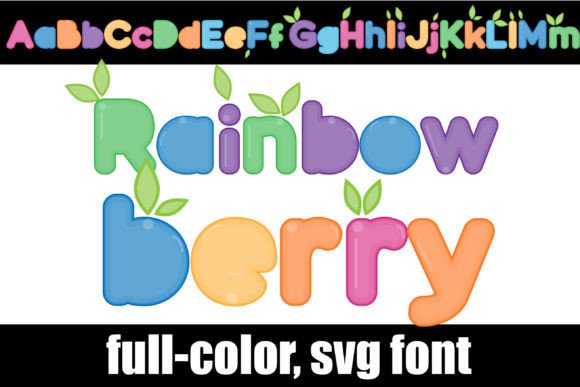
Rainbowberry isn’t your average font. It features rainbow-colored lettering with a berry-like appearance, complete with tiny leaves and subtle details that give it a handcrafted feel. Each letter is a mini work of art, blending vibrant hues with organic shapes. The font’s OpenType format also allows for alternate characters, which you can access through your system’s character map. This means there’s room for customization, making it perfect for unique branding needs.
When I first tested Rainbowberry on a logo draft, I was immediately drawn to its visual appeal. The colors are rich and eye-catching, but they don’t overwhelm. Instead, they add a layer of personality that makes the text feel more approachable and fun. It’s like having a little piece of nature in every word.
I used Rainbowberry for a small café project, where the client wanted a fresh, modern look that felt connected to the outdoors. The font worked well as a headline or display type, especially when paired with a clean sans serif for body text. It added a touch of creativity without sacrificing readability, which is crucial for anything from menus to signage.
One of the things I love about Rainbowberry is how it can be used in different contexts. On a shop sign, it adds a lively energy that draws people in. On a business card, it makes the contact information feel more personal and memorable. Even on a social media graphic, it stands out without being distracting. The font’s versatility makes it a great choice for a variety of design elements.
Readability is always a concern with colorful fonts, but Rainbowberry handles it well. The letters are clearly defined, and the color gradients don’t interfere with legibility. That said, it’s best suited for short-form text rather than long paragraphs. Think headlines, logos, and taglines—places where the font can shine without overwhelming the reader.
When working with clients, I always recommend testing a font before committing to it. With Rainbowberry, I suggest experimenting with different color combinations and layouts to see how it fits into the overall brand aesthetic. Since it’s a color font, it may behave differently on various platforms, so checking it across devices and print samples is a good idea.
Pairing Rainbowberry with other fonts can enhance its impact. A simple serif or sans serif typeface can provide balance, while a script or handwritten font might add an extra layer of charm. The key is to let Rainbowberry be the star of the show, using it as an accent or highlight rather than the main text.
For a skincare brand, Rainbowberry could be used to emphasize product names or special offers, adding a sense of vitality and freshness. In a handmade shop, it could bring a personal touch to packaging or labels, making each item feel more unique. Its ability to blend color and form makes it ideal for businesses that want to express their identity in a creative way.
Another thing to consider is the font’s file format and licensing. Rainbowberry comes in OpenType format, which is widely supported and easy to use. If you’re planning to use it in commercial projects, make sure to check the licensing terms to ensure compliance. Most color fonts like this are available for purchase, and the cost is usually justified by the visual impact they bring to a design.
As a designer, I appreciate fonts that offer both style and functionality. Rainbowberry does just that, offering a bold, colorful presence that can elevate any brand. Whether you’re working on a logo, packaging, or digital assets, it’s a font worth considering for its ability to add personality and visual interest.
Ultimately, Rainbowberry is more than just a font—it’s a tool for storytelling. It allows designers to communicate emotion, mood, and brand values through color and form. For anyone looking to add a splash of creativity to their work, this font is a great choice.
From the initial mockup to the final brand materials, Rainbowberry has proven to be a reliable and versatile asset. It’s not just about the colors; it’s about how they make a design feel. And in a world where first impressions matter, that’s no small thing.